Just a few years ago, the idea of a computer having the ability to write songs, or even DJing on your night out, sounded as if it was straight from a Black Mirror episode. But today, it’s our new reality. When you open Spotify, you’re greeted with ‘DJ X’ – an AI voice that supposedly curates playlists based on what you usually listen to, and what it thinks you’d like. It transitions tracks just like a real DJ and even speaks like a real person.
Meanwhile, Deezer also reported that they receive over 3,000 fully AI-generated tracks daily, which accounts for around 28% of all the music uploaded to their platform. These figures keep rising, and its prompting the scary question: will AI really take over the music world?
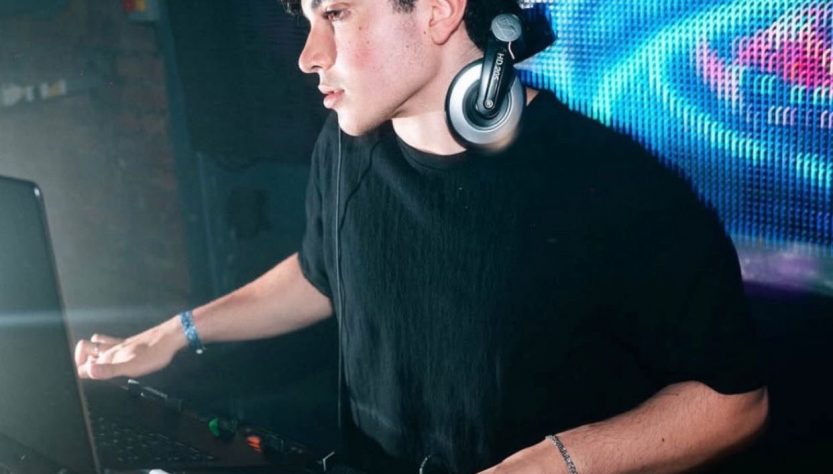
Hearing this, some may find it intimidating to enter an already competitive field, but London-based DJ Affy, who brings the vibe to many student nights around the UK, isn’t convinced,
“What we feel from music is based off of the frequencies that we expose ourselves to”, he said. “There are positive and negative frequencies we expose ourselves to…Music itself is an art, which stems from the creativity and feeling of an artist. Something which cannot be programmed from scratch but can be replicated.”
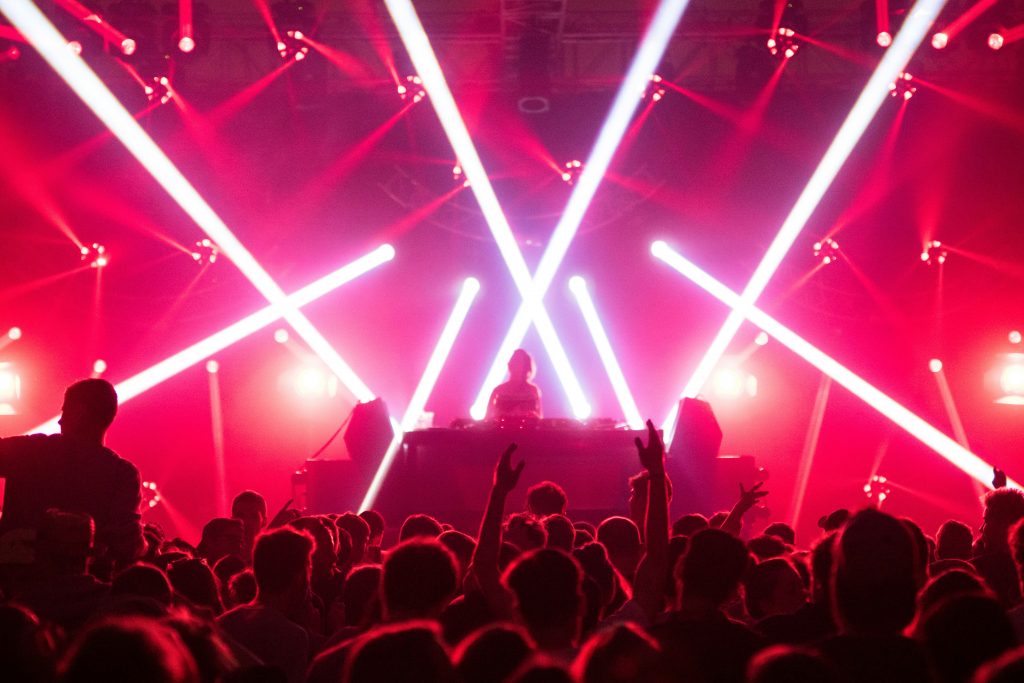
It’s easy to program an algorithm to blend songs perfectly, but something you can’t teach it is how to read a room…yet.
There is no doubt that AI has become a more powerful creative tool in recent years. For novice performers looking to experiment with sounds, apps like Boomy and Soundful allow you to generate songs instantly, which opens doors to people who don’t necessarily have much experience in the field. Even for experienced artists, AI lets them experiment with their tracks, like being able to remix their own vocals, and predict what sounds may be trending before they release.
But not everyone sees this as a celebration. Some would argue that songs written by AI lack life. Sure, AI could make a love song, that sounds great but doesn’t give listeners that feeling of longing or loss. That human connection between the artist and the listener is something that technology can’t come close to.
Beyond AI’s creativity, there is also a growing wave of ethical and legal issues occurring. AI has now started cloning the voices of popular artists, such as the viral “AI Drake” videos. It has seen industry professionals beg the question: who actually owns that piece of music, and what regulations can be put in place to protect artists’ integrity? This has then pushed record labels to really tighten up their policies to protect their performers (and themselves).
In the end, Affy summarises it best:
“[AI can] come up with new concepts using ideas of already existing creators and music”, he says.
So essentially, AI can be a ‘DJ’, but it lacks a soul, for now that is…
